Mustafizur's IPL Exit Sparks Ugly Row: Ban Says No to T20 Wc in India; Ball in Icc's Court
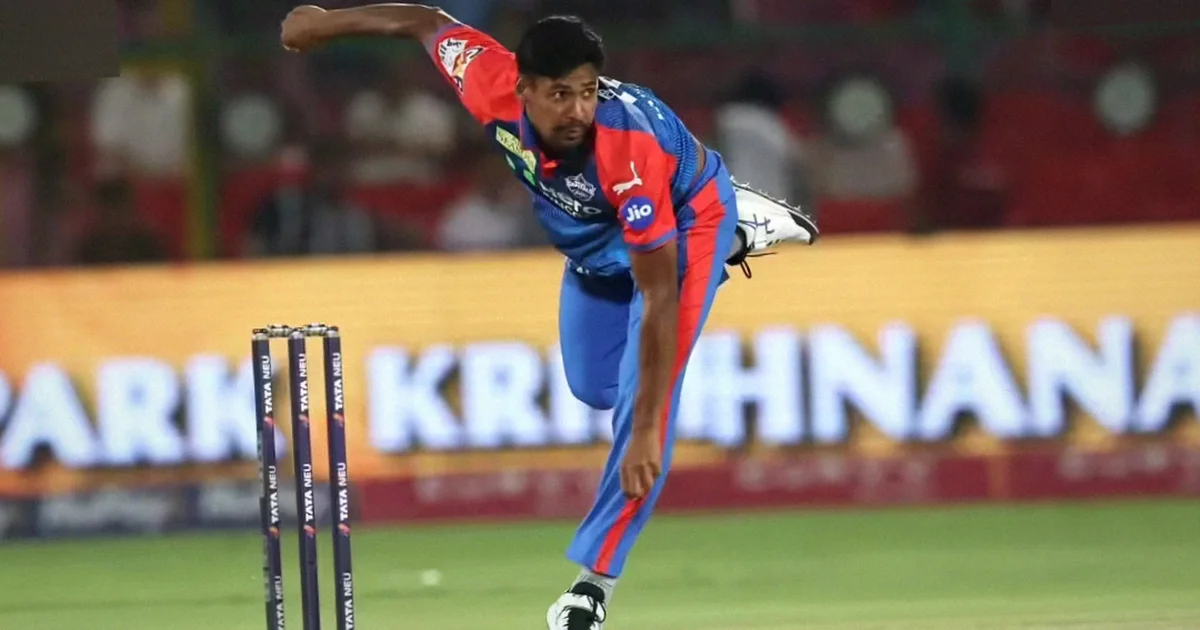
Security concerns have dominated recent discussions in cricket, with the Bangladesh Cricket Board (BCB) announcing its decision to withdraw from the ICC Men's T20 World Cup 2026 in India. This announcement follows Mustafizur Rahman’s abrupt exit from the Indian Premier League (IPL) 2026, raising questions about player safety and international commitments.
Key Facts:
- Who: Mustafizur Rahman, Faf du Plessis, Bangladesh national team
- What: Bangladesh's withdrawal from the ICC T20 World Cup 2026
- When: Announced post-Mustafizur Rahman's IPL contract release
- Where: Bangladesh Cricket Board’s official statement
Mustafizur Rahman's release from his IPL contract highlights underlying tensions within cricketing politics. Statistically speaking, Rahman has been an integral part of the T20 circuit, showcasing a bowling average of approximately 23.8 and an economy rate hovering around 7.3 in T20 internationals. His performance metrics emphasize his value; however, his early exit casts shadows over player welfare.
And what does this mean for the BCB? The data indicates player wellbeing is a primary concern. The BCB’s stance can be dissected as a reaction to both immediate and broader geopolitical issues. The board's involvement is not merely tactical but reflects ongoing worries about safety in the host country, especially concerning a high-stakes tournament like the T20 World Cup.
Context: Why This Matters
Bangladesh's decision could have profound implications for global cricket dynamics. When you look at the data, Bangladesh's withdrawal could affect ICC revenues and tournament quality. They were expected to be one of the competitive teams, particularly considering their progression in the T20 format. The ramifications extend beyond participation; it's a statement on cricketing politics influenced by safety.
Rahman's recent IPL situation showcases a broader trend seen in international cricket. Players weigh their national commitments against personal safety and the prospect of participating in leagues that may pose risks.
What’s Next?
The ball is now in the ICC’s court. The BCB's fundamental decision sets a precedent and places pressure on cricketing bodies to address security protocols seriously. Will other nations follow suit? If the ICC can’t guarantee player safety, other teams might contemplate similar withdrawals.
Also, the future of Mustafizur Rahman remains uncertain. How does a player of his caliber shift focus post-IPL? With IPL contracts disappearing, can he reclaim his place among elite T20 players?
In sum, the numbers don’t lie. Player safety is becoming more critical in international cricket; the impact of Mustafizur Rahman's withdrawal from IPL on Bangladesh's decision serves as a stark indicator of the issues at play. The cricketing world is watching closely, waiting to see how the ICC reacts as the landscape of T20 cricket continues to evolve.